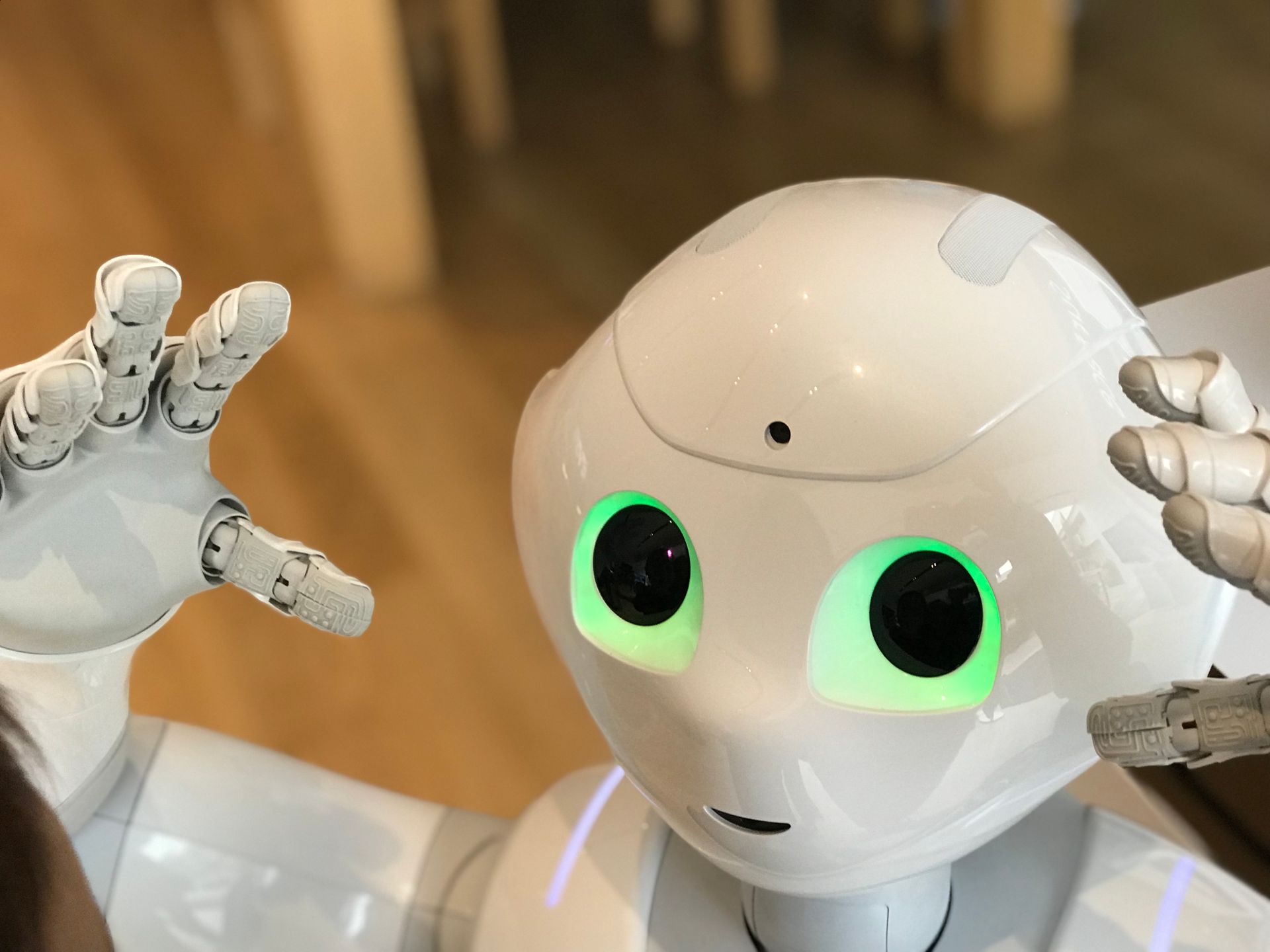
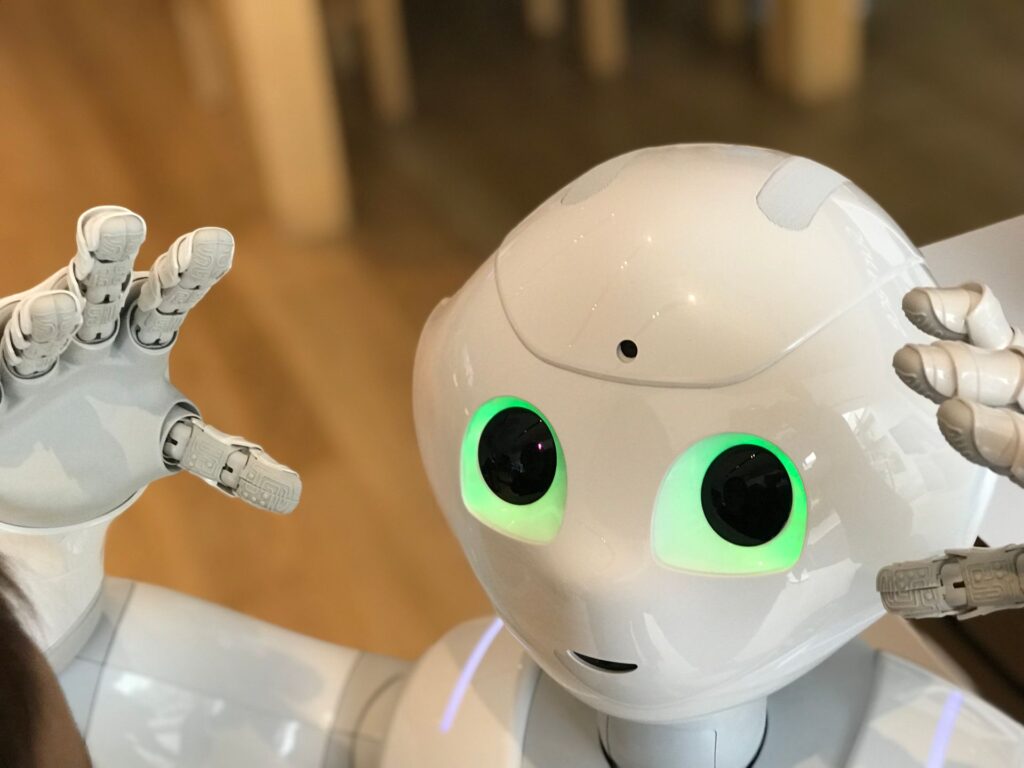
China’s Humanoid Robot Boom Enters a More Demanding Phase
China’s humanoid robotics industry is expanding quickly. As more companies enter the market, the next test is whether their products can become a reliable and commercially viable part of everyday business.
The Business Times reported on 29 September 2026 that the country now has more than 150 humanoid robotics companies, compared with a few dozen startups several years ago. The report describes growing activity in manufacturing, logistics and services, alongside concerns that investment enthusiasm may be moving ahead of commercial readiness.
From demonstrations to daily use
According to the report, policy support and early adoption by enterprise and government users are helping the industry develop. Yet broader commercialisation remains at an early stage, with safety, reliability and practical deployment still presenting challenges.
For a business considering a robot, the decision ultimately comes down to what it can do consistently and at what cost. A successful demonstration can generate interest. Working through a full shift, handling unexpected situations and fitting into existing operations demand a different level of performance.
The purchase price is only part of that calculation. Installation, maintenance, staff training and downtime also affect whether a robot improves productivity. Wider adoption will depend on making those benefits clear enough for customers to commit their budgets.
Growth brings a tougher commercial test
A growing number of suppliers can encourage experimentation and give customers more choice. It also puts pressure on businesses to explain why their products deserve a place in the market.
Some companies may find a viable business by solving a narrow, repeatable problem. Others may need more time and capital to develop products that can work across different settings. The pace of technical progress alone does not establish how quickly either approach will generate sustainable revenue.
This is where funding expectations become important. Businesses need enough time to refine their products, while investors need a realistic view of how long customer adoption may take. A mismatch between the two can put pressure on a company even when its technology continues to improve.
What this means for investors
For fund managers and institutional investors, the sector illustrates the need to consider long term potential alongside evidence of commercial progress. Repeat orders, continued customer use and a credible path to covering operating costs can help show whether demand is becoming durable.
China’s humanoid robotics boom is entering a phase in which everyday performance will carry more weight. The companies that turn promising technology into dependable products will give customers a reason to buy and investors a firmer basis for assessing their value.
Structuring With Confidence From Singapore
Auvene Operating Partners supports asset managers and family offices structuring cross border investments and fund vehicles from Singapore, working alongside legal counsel where treaty protection and dispute resolution considerations are part of the picture.
Visit auvenegroup.com



Leave a Reply